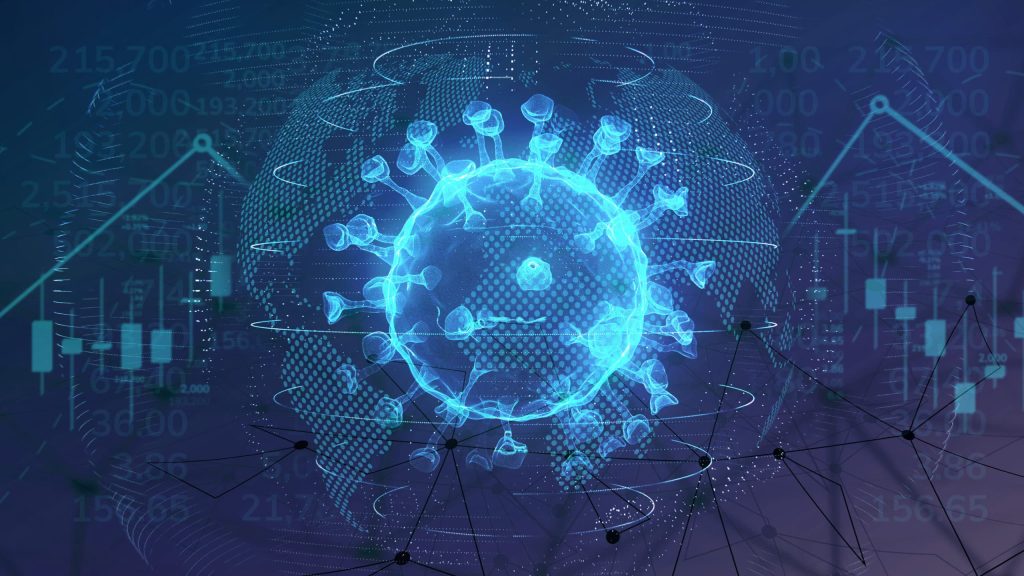
The world has witnessed the devastating impact of epidemics, from Ebola to COVID-19, and Nigeria has not been immune to these threats. Epidemic monitoring and response have become critical components of public health management. In recent years, data analytics has emerged as a powerful tool in Nigeria’s arsenal for tackling epidemics effectively. In this blog post, we will explore how data analytics is transforming epidemic monitoring and response in Nigeria.
The Importance of Epidemic Monitoring
Epidemic monitoring involves the systematic collection, analysis, and interpretation of data related to disease outbreaks. In Nigeria, a country with a diverse population and various environmental factors, monitoring epidemics is particularly challenging. However, it is crucial for the early detection and containment of diseases that can spread rapidly and have severe consequences.
How Data Analytics is Revolutionizing Epidemic Monitoring in Nigeria
1. Real-time Data Gathering: Data analytics allows health authorities to collect real-time data from various sources, including hospitals, clinics, and even social media. This data can provide early warning signs of outbreaks.
2. Predictive Analytics: Machine learning and predictive modeling can analyze historical health data and environmental factors to predict the potential outbreak of diseases, helping authorities allocate resources proactively.
3. Geospatial Analysis: Geospatial data analytics helps map disease clusters and identify high-risk areas, enabling targeted interventions in specific regions.
4. Resource Allocation: Data analytics helps optimize the allocation of resources such as medical supplies, personnel, and vaccination campaigns to areas most in need during an epidemic.
5. Epidemic Modeling: Mathematical models powered by data analytics can simulate the spread of diseases, allowing health officials to evaluate various intervention strategies.
The COVID-19 Response in Nigeria
The COVID-19 pandemic highlighted the significance of data analytics in epidemic response in Nigeria:
1. Contact Tracing: Data analytics facilitated efficient contact tracing efforts, helping identify and isolate potential cases quickly.
2. Vaccine Distribution: Analytics played a pivotal role in the distribution of COVID-19 vaccines, ensuring that doses reached high-risk areas first.
3. Public Awareness: Analytics helped tailor public health messages to specific demographics, increasing compliance with preventive measures.
Challenges and Future Directions
While data analytics offers immense potential in epidemic monitoring and response, several challenges must be addressed:
1. Data Quality: Ensuring the accuracy and reliability of data sources remains a challenge, particularly in remote areas.
2. Privacy and Ethics: Safeguarding patient privacy and adhering to ethical guidelines when using health data is crucial.
3. Capacity Building: Building data analytics capacity within the healthcare system through training and infrastructure development is essential.
In conclusion, Data analytics is a vital tool in Nigeria’s efforts to monitor and respond to epidemics effectively. As technology advances and data becomes more readily available, the country is better equipped to detect outbreaks early, allocate resources efficiently, and protect the health of its citizens. Collaboration between healthcare professionals, data scientists, and government agencies will be key to maximizing the potential of data analytics in epidemic response.
[/et_pb_text][/et_pb_column][/et_pb_row][/et_pb_section]